

What is the Thermal Conductivity of Carbon Steel Pipes?
As a supplier of carbon steel pipes, I often get asked about the thermal conductivity of these essential industrial components. Understanding the thermal conductivity of carbon steel pipes is crucial for various applications, from heating and cooling systems to high - pressure industrial processes. In this blog post, I'll delve into the concept of thermal conductivity, explain what affects it in carbon steel pipes, and discuss its implications for different industries.
Understanding Thermal Conductivity
Thermal conductivity is a measure of a material's ability to conduct heat. It is defined as the quantity of heat (in watts) that passes through a unit area (in square meters) of a material per unit thickness (in meters) per unit temperature difference (in Kelvin). The SI unit for thermal conductivity is watts per meter - Kelvin (W/(m·K)).
A high thermal conductivity means that the material can transfer heat quickly, while a low thermal conductivity indicates that the material is a poor conductor of heat and can act as an insulator. For carbon steel pipes, thermal conductivity plays a significant role in how efficiently they can transfer heat in different applications.
Thermal Conductivity of Carbon Steel Pipes
Carbon steel is an alloy of iron and carbon, with the carbon content typically ranging from 0.05% to 2.1%. The thermal conductivity of carbon steel pipes depends on several factors, including the carbon content, the presence of other alloying elements, and the temperature.
Generally, the thermal conductivity of carbon steel at room temperature (around 20°C or 293K) ranges from approximately 40 to 60 W/(m·K). This value is lower than that of pure metals like copper (about 400 W/(m·K)) or aluminum (about 200 W/(m·K)), but it is still relatively high compared to many other materials.
As the carbon content in the steel increases, the thermal conductivity tends to decrease. This is because carbon atoms disrupt the regular lattice structure of the iron, making it more difficult for heat - carrying electrons to move through the material. Additionally, the presence of other alloying elements such as manganese, silicon, and sulfur can also affect the thermal conductivity. These elements can form compounds or solid solutions within the steel, altering its atomic structure and influencing the heat transfer properties.
Temperature also has a significant impact on the thermal conductivity of carbon steel pipes. As the temperature increases, the thermal conductivity of carbon steel generally decreases. This is due to the increased vibration of the atoms in the lattice structure, which scatters the heat - carrying electrons and reduces their ability to transfer heat efficiently.
Applications of Carbon Steel Pipes Based on Thermal Conductivity
Heating and Cooling Systems
In heating systems, carbon steel pipes are commonly used to transfer hot water or steam from a boiler to radiators or other heating devices. The relatively high thermal conductivity of carbon steel allows for efficient heat transfer, ensuring that the heat generated in the boiler can be quickly and effectively distributed throughout the building.
For example, High Pressure Boiler Tube is specifically designed for high - pressure and high - temperature applications in boilers. These tubes need to have good thermal conductivity to transfer the heat from the combustion chamber to the water or steam inside the tube efficiently.
In cooling systems, carbon steel pipes can be used to carry chilled water or refrigerant. The ability of carbon steel to conduct heat helps in removing heat from the environment and maintaining a comfortable temperature.
Industrial Processes
In many industrial processes, such as chemical manufacturing, power generation, and food processing, carbon steel pipes are used to transport fluids at different temperatures. The thermal conductivity of the pipes is important for controlling the temperature of the fluids and ensuring that the processes run smoothly.
For instance, in a power plant, carbon steel pipes are used to carry steam from the boiler to the turbines. The efficient heat transfer properties of the pipes help in maximizing the energy conversion from heat to mechanical energy.
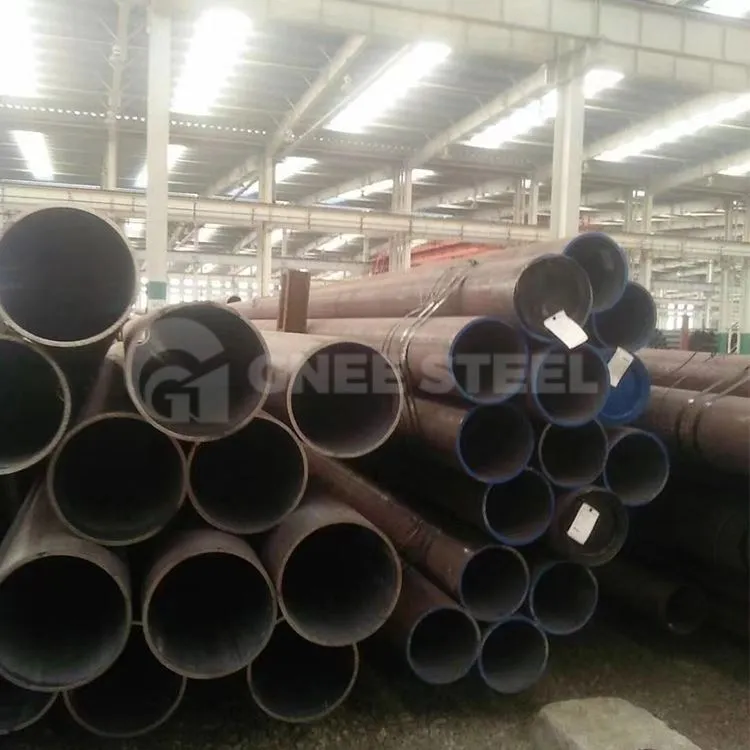

Cold Rolled Seamless Steel Pipe is often used in industrial applications where high precision and smooth inner surfaces are required. These pipes can provide reliable heat transfer in various industrial processes.
Oil and Gas Industry
In the oil and gas industry, carbon steel pipes are used for transporting crude oil, natural gas, and refined products. The thermal conductivity of the pipes can affect the temperature of the fluids during transportation. For example, in cold environments, the heat loss from the pipes can cause the oil or gas to cool down and become more viscous, which can increase the pumping requirements.
SAE 1020 Carbon Steel Seamless Pipe is a popular choice in the oil and gas industry due to its good mechanical properties and reasonable thermal conductivity.
Importance of Choosing the Right Carbon Steel Pipes for Thermal Applications
Selecting the appropriate carbon steel pipes for thermal applications is crucial for ensuring the efficiency and reliability of the system. When choosing carbon steel pipes, it is important to consider the following factors:
- Carbon Content and Alloying Elements: As mentioned earlier, the carbon content and the presence of other alloying elements can significantly affect the thermal conductivity of the pipes. For applications where high heat transfer is required, pipes with lower carbon content and fewer alloying elements may be more suitable.
- Temperature Range: The operating temperature of the system should be taken into account. Pipes should be able to maintain their thermal conductivity and mechanical properties within the expected temperature range.
- Pipe Size and Wall Thickness: The size and wall thickness of the pipes can also influence the heat transfer rate. Thicker walls may reduce the heat transfer efficiency, while larger diameter pipes can provide more surface area for heat transfer.
Conclusion
The thermal conductivity of carbon steel pipes is an important property that affects their performance in various applications. Understanding the factors that influence thermal conductivity, such as carbon content, alloying elements, and temperature, can help in selecting the right pipes for specific needs.
As a carbon steel pipe supplier, I am committed to providing high - quality pipes that meet the thermal requirements of different industries. Whether you are in the heating and cooling, industrial, or oil and gas sectors, I can offer a wide range of carbon steel pipes with the appropriate thermal conductivity for your applications.
If you are interested in purchasing carbon steel pipes for your project, I encourage you to contact me for more information and to discuss your specific requirements. I can provide detailed product specifications, technical support, and competitive pricing. Let's work together to ensure the success of your project with the right carbon steel pipes.
References
- Callister, W. D., & Rethwisch, D. G. (2010). Materials Science and Engineering: An Introduction. Wiley.
- ASM Handbook Committee. (1990). ASM Handbook, Volume 1: Properties and Selection: Irons, Steels, and High - Performance Alloys. ASM International.