


Product Overview: A106 Pipe for Gas Line and Industrial Service
This product is seamless carbon steel pipe bought to carry gas and industrial fluids, not a fabricated component. An A106 Carbon Steel Line Pipe is delivered as straight lengths of mother pipe, cut and beveled to the piping layout, then welded into the line. It is specified by the material standard, grade, nominal size and wall schedule, and by the condition of the surface as it leaves the mill.
For a gas line or an industrial utility system the buyer is managing pressure integrity and a clean bore. The seamless route gives a pipe without a longitudinal weld, and the hot-rolled black finish is a known starting surface for field coating. The sections below set out the chemistry, strength, SCH 40 dimensions, tolerances, delivery condition and test package so the pipe can be ordered against a stated specification rather than a general description.
Grade and Standard Designation
The material is defined by ASTM A106/A106M; SA-106 / SA-106M is the ASME Section II designation for the same product, with the M edition in metric units. The official title is Seamless Carbon Steel Pipe for High-Temperature Service, and A106 is seamless only - a welded or ERW product is not A106. Grade B is the usual call-out for gas line and industrial work; Grade A is lower strength and Grade C is higher strength where the order names them. Dimensions follow nominal pipe size and schedule to ASME B36.10M.
Specifications
| Item | Specification |
|---|---|
| Standard and title | ASTM A106/A106M, Seamless Carbon Steel Pipe for High-Temperature Service; ASME SA-106 equivalent |
| Grade | Grade B standard; Grade A and Grade C on request |
| Manufacturing | Seamless - hot rolled and pierced; no welded or ERW condition |
| Delivery condition | Hot rolled / Black - as-rolled, uncoated mill finish with anti-rust oil |
| Size basis | NPS and schedule to ASME B36.10M; common wall SCH 40 |
| Size range | Commonly NPS 1/2 to NPS 24, subject to mill and schedule |
| Supply length | Single or double random, or fixed 6 m / 11.8 m / 12 m |
| End condition | Plain square cut, beveled for welding, or threaded as ordered |
| Certificate | EN 10204 3.1 MTC; hydrostatic test standard, UT / NDE as specified |
Chemical Composition
The limits below are the ASTM A106 Grade B heat-analysis mass percentages, cross-checked against independent pipe references. Grade B permits carbon up to 0.30 percent and manganese 0.29 to 1.06 percent; the purchased edition of A106/A106M governs acceptance and check-analysis tolerances.
| Element | Requirement | Role |
|---|---|---|
| Carbon (C) | max 0.30% | strength and hardenability |
| Manganese (Mn) | 0.29 to 1.06% | strength and deoxidation |
| Phosphorus (P) | max 0.035% | impurity control |
| Sulfur (S) | max 0.035% | impurity control |
| Silicon (Si) | min 0.10% | deoxidation and strength |
| Chromium (Cr) | max 0.40% | residual element |
| Copper (Cu) | max 0.40% | residual element |
| Molybdenum (Mo) | max 0.15% | residual element |
| Nickel (Ni) | max 0.40% | residual element |
| Vanadium (V) | max 0.08% | residual element |
For each 0.01 percent that carbon is below the 0.30 percent maximum, manganese may rise by 0.06 percent above its listed maximum up to 1.65 percent unless the order states otherwise; the five residual elements together are limited to 1.00 percent. These are standard provisions, to be confirmed against the purchased edition.
Mechanical Properties
Grade B minimums are below. Tensile and yield are the values most often quoted for gas line and industrial pipe; elongation is given for both specimen orientations because it depends on how the test piece is taken from the pipe.
| Property | Grade B requirement |
|---|---|
| Tensile strength | 60 ksi (415 MPa) minimum |
| Yield strength | 35 ksi (240 MPa) minimum |
| Elongation, longitudinal | 30% minimum in 2 in. (50 mm) |
| Elongation, transverse | 20% minimum in 2 in. (50 mm) |
| Hardness | Not specified in A106 unless required by the purchaser |
SCH 40 Dimensions
SCH 40 is the common general-purpose wall for gas line and industrial piping. The table gives the ASME B36.10M outside diameter, nominal wall and plain-end theoretical mass for the usual nominal sizes; other schedules from SCH 10 to SCH 160 are available on order.
| NPS | Outside diameter | Nominal wall (SCH 40) | Theoretical mass |
|---|---|---|---|
| NPS 1/2 | 21.3 mm | 2.77 mm | 1.27 kg/m |
| NPS 3/4 | 26.7 mm | 2.87 mm | 1.69 kg/m |
| NPS 1 | 33.4 mm | 3.38 mm | 2.50 kg/m |
| NPS 1-1/4 | 42.2 mm | 3.56 mm | 3.39 kg/m |
| NPS 1-1/2 | 48.3 mm | 3.68 mm | 4.05 kg/m |
| NPS 2 | 60.3 mm | 3.91 mm | 5.44 kg/m |
| NPS 2-1/2 | 73.0 mm | 5.16 mm | 8.63 kg/m |
| NPS 3 | 88.9 mm | 5.49 mm | 11.29 kg/m |
| NPS 4 | 114.3 mm | 6.02 mm | 16.07 kg/m |
| NPS 5 | 141.3 mm | 6.55 mm | 21.73 kg/m |
| NPS 6 | 168.3 mm | 7.11 mm | 28.26 kg/m |
| NPS 8 | 219.1 mm | 8.18 mm | 42.55 kg/m |
| NPS 10 | 273.0 mm | 9.27 mm | 60.63 kg/m |
| NPS 12 | 323.8 mm | 10.31 mm | 79.73 kg/m |
Mass is the plain-end theoretical value calculated from outside diameter and wall; it is not a weighed delivered mass. Nominal wall is the schedule value - the A530 minimum-wall rule applies to the delivered pipe. Confirm the size against the purchased edition of ASME B36.10M.
Dimensional Tolerances
ASTM A106 refers dimensional tolerances to ASTM A530. The table states the standard basis and where a gas line or industrial project adds a supplementary requirement.
| Dimension | Standard basis | Ordering note |
|---|---|---|
| Outside diameter | Band by size: about ±0.40 mm small OD, ±0.80 mm to NPS 4, then a growing plus side with a minus side near 0.8 mm; ±1% OD commonly offered | State the size band or the OD tolerance to be certified |
| Wall thickness | Minimum wall not less than 87.5% of nominal (minus 12.5%) | Name the wall basis - nominal wall or minimum wall |
| Mass | +10% / −3.5% for NPS 12 and under | Confirm the mass basis where material is bought by weight |
| Length | Random or fixed length per the mill range | Give the cut length and its plus/minus tolerance |
| Straightness | Reasonably straight; no millimetre figure in the standard | State a value and gauge length if the layout needs one |
A plus or minus 1 percent OD figure is a common producer offer alongside the A530 band table. Anything tighter than the standard band is written as a supplementary requirement in the purchase order rather than assumed.
Delivery Condition: Hot Rolled, Black
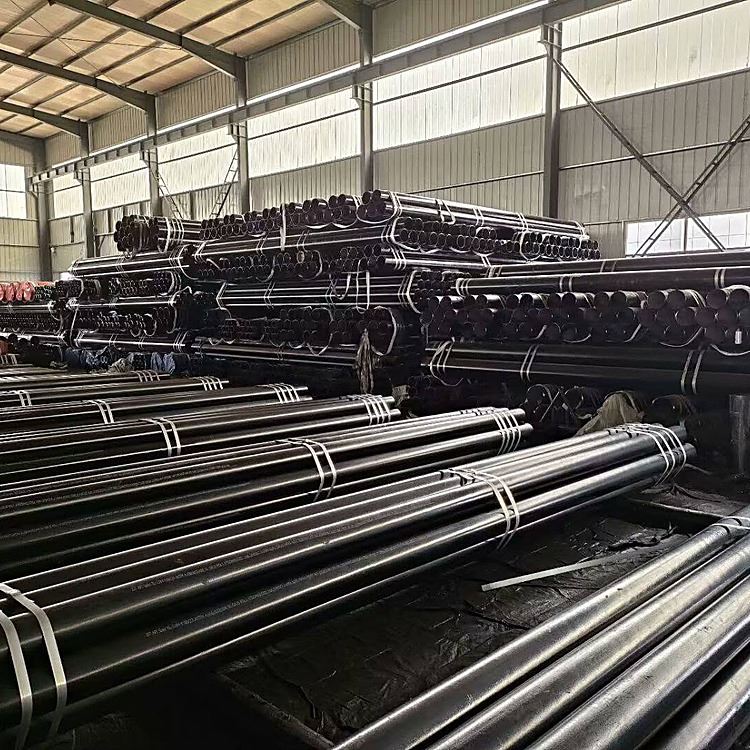
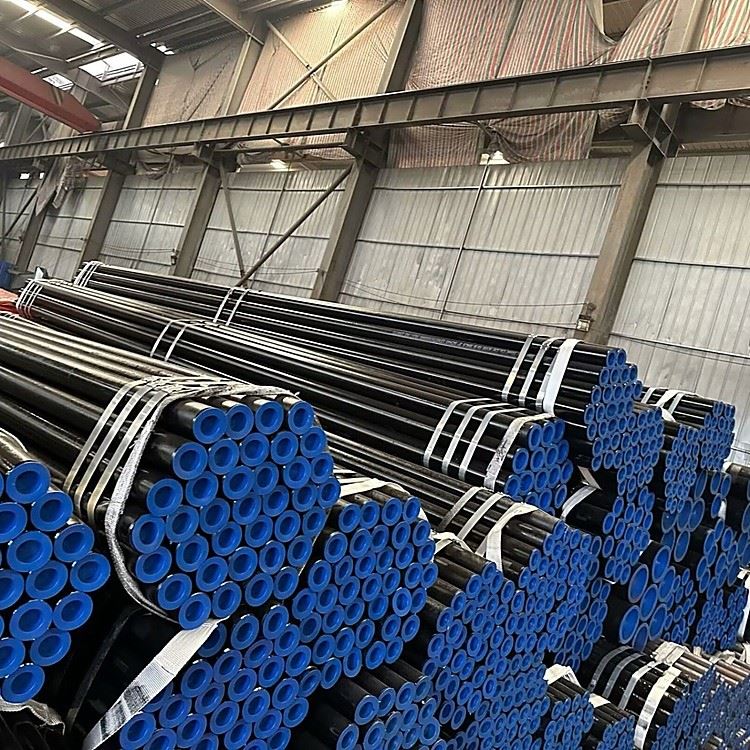
The pipe in this page is delivered hot rolled and black. Hot rolled means the seamless shell is formed and sized at rolling temperature and supplied in the as-rolled condition unless a heat treatment is ordered. Black means an uncoated surface - the dark mill scale left from hot rolling, normally with a light anti-rust oil, and without galvanizing, epoxy or any factory coating.
| Aspect | Hot rolled / black supply |
|---|---|
| Forming route | Pierced and hot rolled seamless, no weld seam |
| Final condition | As rolled; heat treatment only if the order names it |
| Surface | Uncoated black mill scale with light anti-rust oil |
| Coating | None at the mill - field coating or wrapping by the installer if required |
| End finish | Plain, beveled or threaded as ordered |
| Marking | Grade, size, heat number and standard stencilled or stamped |
Black is an uncoated surface, not a finished corrosion system. For buried or exposed gas line service the protective coating is a separate specification applied after welding. We supply the pipe hot rolled and black as stated, and we do not claim a coating that is not ordered.
Testing, Inspection and Documents
The test package is fixed at the enquiry stage because a certificate can only report what was actually performed.
| Item | Requirement |
|---|---|
| EN 10204 3.1 MTC | Inspection certificate with heat analysis and mechanical results, signed by an inspection representative independent of the manufacturing department |
| Hydrostatic test | Each length to the standard formula, proving pressure tightness |
| Ultrasonic testing (UT) | Full-body wall and discontinuity examination; method and acceptance stated on the certificate when required |
| Nondestructive electric test (NDE) | Practices E213, E309 or E570 as an alternative or addition to hydrostatic test |
| Tension and flattening | Tension test per heat; flattening for the sizes named in the order |
| Traceability | Heat number carried from billet through pipe, certificate and packing list |
| Third-party inspection | SGS, BV or purchaser witness points fixed in the purchase order |
An EN 10204 3.1 certificate is an inspection document, not a guarantee that hydro, UT and NDE were all carried out. The order states which tests are mandatory and which are supplementary, and the certificate then reflects exactly what was done on each lot.
Ordering: Lengths, Ends and Quantities
Gas line and industrial orders are confirmed against the pipe schedule and the welding plan. The points below are stated in the offer.
| Topic | What drives it | How it is confirmed |
|---|---|---|
| Length | Piping layout and handling | SRL / DRL or fixed 6 m / 11.8 m / 12 m, with cut-length tolerance |
| End preparation | Welding procedure or connection type | Square cut, bevel angle and root face, or threaded |
| Schedule | Design pressure and wall basis | SCH 40 as standard, other ASME B36.10M schedules on order |
| Quantity | Line length and spool pattern | By metre or by weight, with the mass basis stated |
| Coating | Service environment | None for black supply; field coating arranged by the installer |
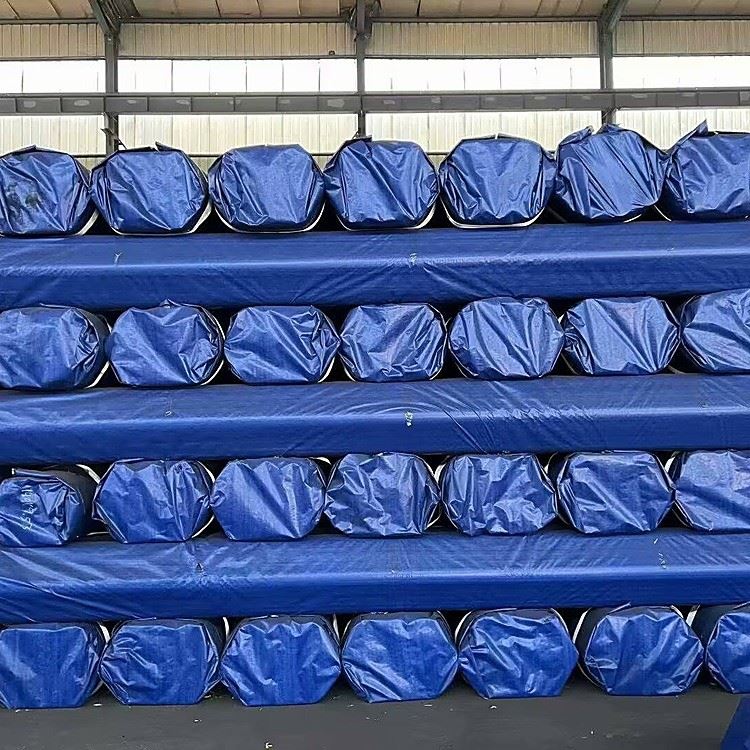
| Packing | Length, surface and coating status | Bundled with end protection, packing list naming heat and piece |
Send the pipe schedule with size, schedule, length, end condition, quantity and the certificate and test set required. We confirm the ASTM A106 Grade B form, state the hot rolled black delivery condition and the SCH 40 dimensions against your sizes, and return an itemised offer.
packaging and shipping
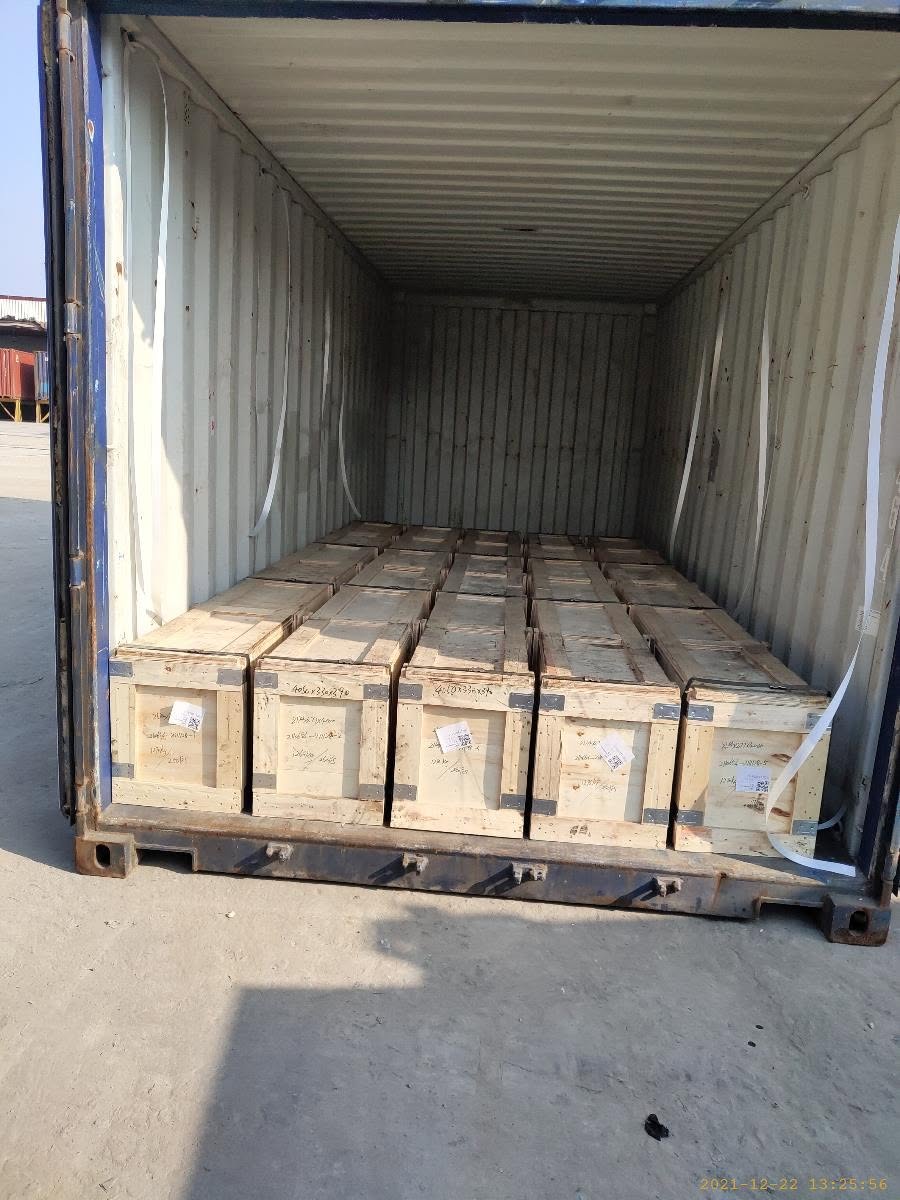
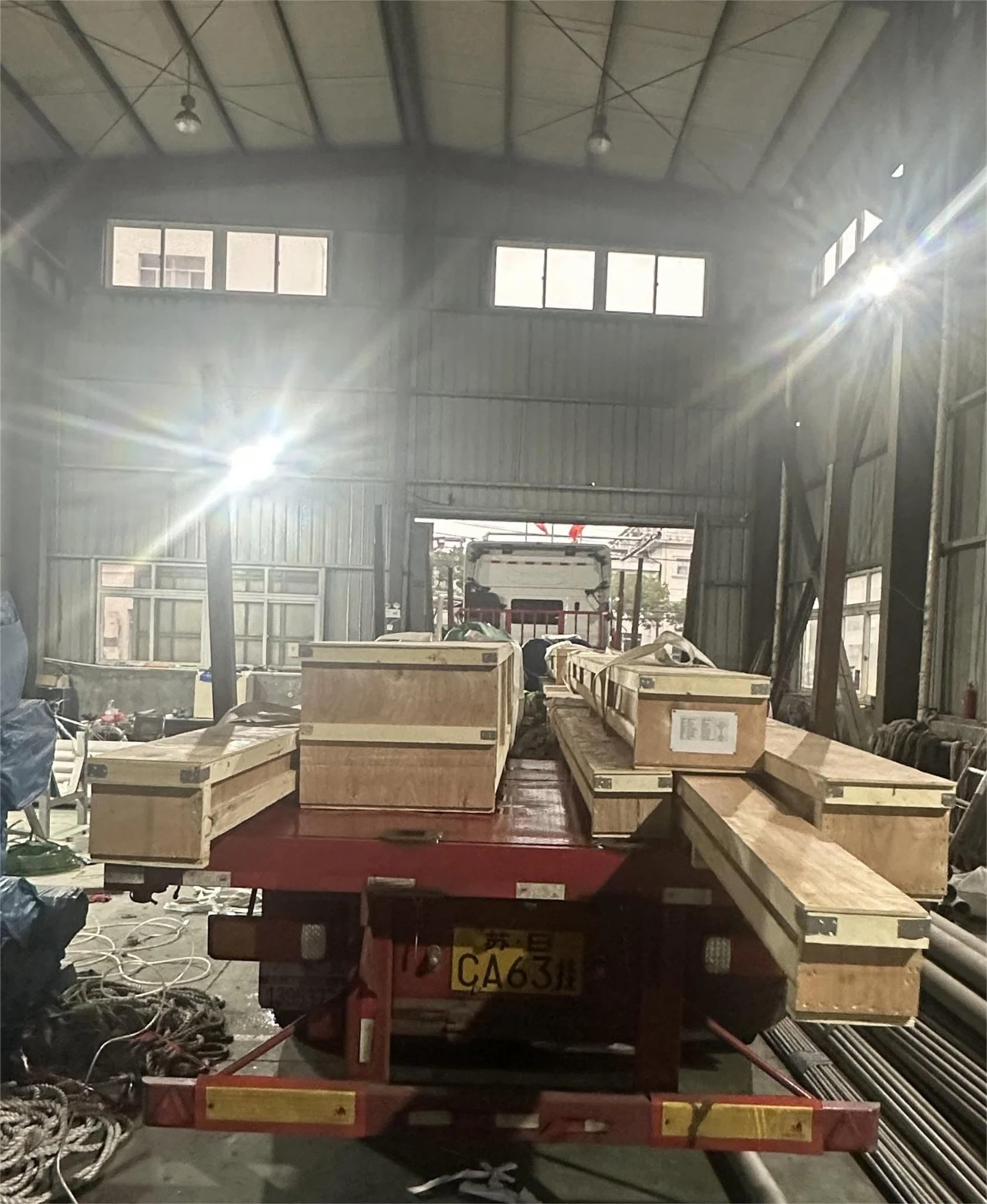
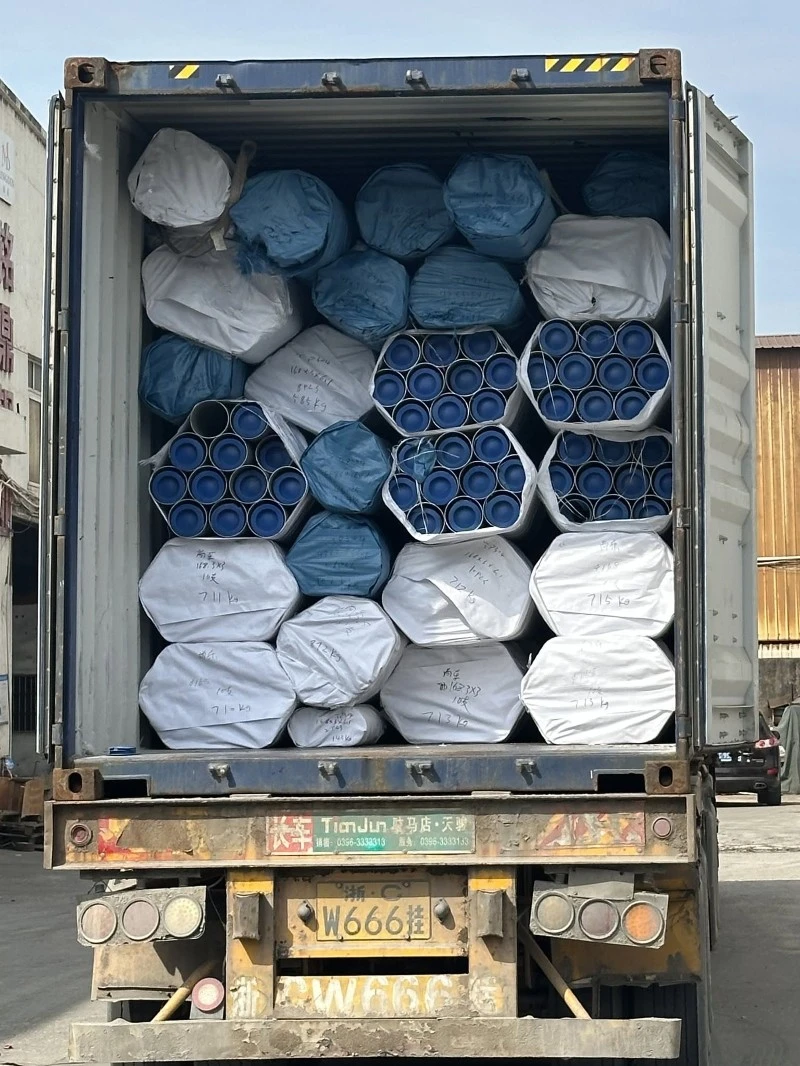
As a supplier of A106 seamless carbon steel pipe for gas line and industrial use, we ask for the size and schedule list, the length and end condition, the total quantity and the certificate and test set you need. We confirm the A106 Carbon Steel Line Pipe form, state the hot rolled black delivery condition and the SCH 40 dimensions against your sizes, and return an itemised offer covering pipe, testing and packing. Tell us the coating plan and the required test scope and we will build them into the quote.
Related Pages
ASTM A106 Grade C Seamless Heavy-wall Tube For A Recurring Machining Program
A106 GRB Pipe For Potable-water Pipeline Project
FAQ
What does hot rolled and black delivery condition mean for A106 gas line pipe?
Hot rolled describes the final forming route: the seamless shell is pierced and rolled at high temperature and is supplied in the as-rolled condition unless the order calls for a subsequent heat treatment. Black describes the surface - an uncoated pipe that leaves the mill with its dark mill scale, usually with a light anti-rust oil, and no galvanizing or factory coating. For gas line and industrial use this black finish is a starting surface: it is welded into the line and then coated or wrapped on site if the service requires protection. When hot rolled and black are stated together on the order, the buyer knows exactly what surface and condition arrives, and can plan the field coating and handling accordingly.
Is A106 carbon steel line pipe suitable for gas line and industrial service?
ASTM A106 is written as seamless carbon steel pipe for high-temperature service, and Grade B is widely used for the transport of gas and process fluids and for industrial utility piping. The standard defines the material, chemistry, strength and test requirements; the piping code and the project specification decide whether it is acceptable for a particular gas line and what wall, test and coating that line needs. A106 seamless pipe is chosen where a weld seam is not wanted and where the temperature is within the range for carbon steel. For a specific line the design code, design pressure and design temperature are named by the purchaser, and the pipe is certified against those conditions rather than assumed suitable for every gas service.
What are the SCH40 wall thickness and weight for common NPS sizes of A106 pipe?
SCH 40 is a nominal wall series defined by ASME B36.10M, not a fixed millimetre thickness - the wall grows with the nominal pipe size. For reference, NPS 1/2 has a 21.3 mm outside diameter with a 2.77 mm wall at about 1.27 kg/m, NPS 2 is 60.3 mm by 3.91 mm at about 5.44 kg/m, NPS 4 is 114.3 mm by 6.02 mm at about 16.07 kg/m, and NPS 6 is 168.3 mm by 7.11 mm at about 28.26 kg/m. NPS 8 is 219.1 mm by 8.18 mm at about 42.55 kg/m and NPS 12 is 323.8 mm by 10.31 mm at about 79.73 kg/m. The full SCH 40 table is given above; weights are plain-end theoretical values and the ordered edition of ASME B36.10M governs.
Why is a seamless A106 CS Smls Pipe preferred over welded pipe for gas line duty?
A seamless pipe is made by piercing a solid billet, so it has no longitudinal seam that must be welded and inspected. On a gas line that removes the seam as a potential leak path and a location for corrosion or inspection concern, and it gives a uniform bore for cleaning and pigging. A106 by definition is seamless - a welded or ERW product is not A106 - so the material call-out itself guarantees the route. This does not mean a welded line pipe is unfit; API 5L welded pipe is standard for many long-distance lines. The choice is a specification decision: where the buyer asks for A106, the requirement is for a seamless, traceable product and the offer must not substitute a welded one.
What dimensional tolerances apply to hot rolled A106 seamless pipe?
ASTM A106 refers dimensional tolerances to ASTM A530. Outside diameter tolerance is by size band - roughly plus or minus 0.40 mm on small diameters and plus or minus 0.80 mm up to NPS 4, with a growing plus side and a minus side of about 0.8 mm on larger sizes; a plus or minus 1 percent OD figure is also commonly offered. Wall thickness may not fall below 87.5 percent of nominal at any point, the minus 12.5 percent rule, and weight tolerance is plus 10 percent minus 3.5 percent for NPS 12 and under. Hot rolled product carries the standard tolerance band; if a project needs a tighter OD, wall or straightness than the band allows, that is written as a supplementary requirement in the purchase order.
Can A106 pipe for industrial use be supplied with beveled ends and cut lengths?
Yes. Seamless mother pipe is supplied in single or double random lengths, or in fixed lengths around 6 m, 11.8 m and 12 m, and it can be cut to a stated length for an industrial piping job. End preparation is available as plain square cut, beveled for welding, or threaded where the connection calls for it, with the bevel angle and root face confirmed against the welding procedure. Cut-length tolerance and end protection are named on the order so the pieces arrive ready for fit-up. For gas line and industrial work the common request is beveled ends on fixed or cut lengths, bundled with the heat numbers and packing list matched to each piece.
What mill certificate and hydrostatic or NDE tests come with A106 gas line pipe?
The standard package is an EN 10204 3.1 mill test certificate giving the heat analysis and mechanical results, issued by an inspection representative independent of the manufacturing department; a 2.1 declaration is the weaker alternative and should not be substituted when 3.1 is requested. Hydrostatic testing proves pressure tightness length by length to the standard formula. When the order calls for it, nondestructive examination such as ultrasonic testing can be added to examine the body for wall discontinuities, with the method and acceptance criterion stated on the certificate. Because a certificate can only report what was actually done, the purchase order must say which of hydro, UT or other NDE is mandatory, and the inspection scope is then fixed before production.
How does ASTM A106 compare with API 5L for a gas line and industrial project?
ASTM A106 is a specification for seamless carbon steel pipe for high-temperature service, graded A, B and C, and it is material-focused with a defined chemistry and strength for plant and industrial piping. API 5L is a line pipe specification for pipeline transportation systems, graded by X-designations with PSL1 and PSL2 levels and provision for both seamless and welded product. A pipe cannot be both a generic A106 stock item and a certified API 5L line pipe unless it is ordered and tested to the second standard. For a gas line the design code and the operator decide which applies: A106 seamless is common inside plants and industrial facilities, while cross-country pipelines are usually specified to API 5L. We supply against the standard named on the order and do not relabel one as the other.
Hot Tags: a106 seamless carbon steel pipes for gas line and industrial use, China a106 seamless carbon steel pipes for gas line and industrial use manufacturers, suppliers, factory, api 5l carbon steel pipe, jis g3458 carbon steel pipe, jis g3469 carbon steel pipe, jis g3560 carbon steel pipe, jis g3608 carbon steel pipe, STPG410 carbon steel pipe


