

What are the threading requirements for ASTM A213 Pipe?
As a trusted supplier of ASTM A213 pipes, I understand the critical importance of threading requirements in ensuring the proper functionality and safety of these pipes. ASTM A213 pipes are widely used in various industries, including power generation, petrochemical, and oil and gas, due to their excellent mechanical properties and corrosion resistance. In this blog post, I will delve into the threading requirements for ASTM A213 pipes, providing you with a comprehensive understanding of what is needed to ensure a successful installation.
Understanding ASTM A213 Pipes
Before we dive into the threading requirements, let's first have a brief overview of ASTM A213 pipes. ASTM A213 is a standard specification for seamless ferritic and austenitic alloy - steel boiler, superheater, and heat - exchanger tubes. These pipes are available in different grades, such as T1, T2, T5, T9, T11, T12, T22, T23, etc., each with its own unique chemical composition and mechanical properties.
The choice of grade depends on the specific application, including the operating temperature, pressure, and the nature of the fluid or gas being transported. For example, ASTM A213 T23 Alloy Steel Tube is known for its high - temperature strength and creep resistance, making it suitable for use in high - temperature boiler applications.
Threading Basics
Threading is a crucial process in pipe installation as it allows pipes to be connected securely. There are several types of threads used for pipes, including tapered threads and straight threads. Tapered threads are more commonly used as they create a tight seal by wedging the male and female threads together. Straight threads, on the other hand, are often used in conjunction with gaskets or O - rings to create a seal.
ASTM Standards for Threading
When it comes to ASTM A213 pipes, the threading requirements are typically governed by other relevant ASTM standards. One of the most commonly referred standards for pipe threading is ASTM B1.20.1, which covers pipe threads, general purpose (inch). This standard specifies the dimensions, tolerances, and thread forms for different types of pipe threads.
The thread form is an important aspect of threading. For pipe threads, the most common thread form is the NPT (National Pipe Taper) thread. NPT threads have a 60 - degree thread angle and a taper of 1 in 16. This taper helps to create a tight seal as the threads are tightened.
Threading Dimensions and Tolerances
The dimensions of the threads on ASTM A213 pipes are critical for a proper fit. The pitch diameter, major diameter, and minor diameter of the threads must be within the specified tolerances. For example, the pitch diameter is the theoretical diameter where the width of the thread and the width of the space between the threads are equal. Any deviation from the specified pitch diameter can lead to improper mating of the threads and potential leakage.
Tolerances are also important to ensure interchangeability of threaded components. ASTM B1.20.1 provides detailed tolerance charts for different thread sizes and classes. Class 2 threads are the most commonly used for general - purpose applications, while Class 3 threads are used for applications where a higher degree of accuracy and tightness is required.
Surface Finish and Thread Quality
In addition to the dimensions and tolerances, the surface finish of the threads is also crucial. A smooth surface finish helps to reduce friction during assembly and disassembly and also improves the sealing performance. Rough or damaged threads can lead to leaks and may even cause the threads to gall or seize during tightening.
The thread quality is also evaluated based on factors such as thread profile, thread angle, and the presence of any defects. Threads should be free from cracks, chips, or any other irregularities that could affect their performance.
Compatibility with Other Materials
When threading ASTM A213 pipes, it is important to consider the compatibility with other materials that the pipes will be connected to. For example, if the pipe is being connected to a fitting made of a different material, such as a brass or stainless - steel fitting, the difference in material properties can affect the threading process and the long - term performance of the connection.
In some cases, it may be necessary to use thread sealants or anti - seize compounds to prevent corrosion and ensure a proper seal. These compounds can also help to reduce the risk of galling between dissimilar metals.
Impact of Operating Conditions
The operating conditions of the ASTM A213 pipes can also have an impact on the threading requirements. For example, in high - pressure applications, the threads need to be able to withstand the forces exerted on them without loosening or leaking. In high - temperature applications, the thermal expansion and contraction of the pipes and the threaded components need to be considered to prevent stress on the threads.
If the pipes are used in a corrosive environment, the threading should be protected to prevent corrosion. This may involve using corrosion - resistant coatings or selecting a thread material that is more resistant to corrosion.
Threading for Different Pipe Grades
Different grades of ASTM A213 pipes may have slightly different threading requirements based on their mechanical properties. For example, pipes made of high - strength alloys may require a different threading process or a different thread design to ensure a secure connection.
Some grades of ASTM A213 pipes may be more prone to cracking or galling during threading. In such cases, special care needs to be taken during the threading process, such as using the appropriate cutting tools and lubricants.
Comparison with Other Pipe Standards
It is also interesting to compare the threading requirements of ASTM A213 pipes with those of other pipe standards. For example, EN 10216 - 2 13CrMo4 - 5 Material Pipe follows European standards for threading. While there are some similarities in the basic principles of threading, there may be differences in the thread dimensions, tolerances, and thread forms.
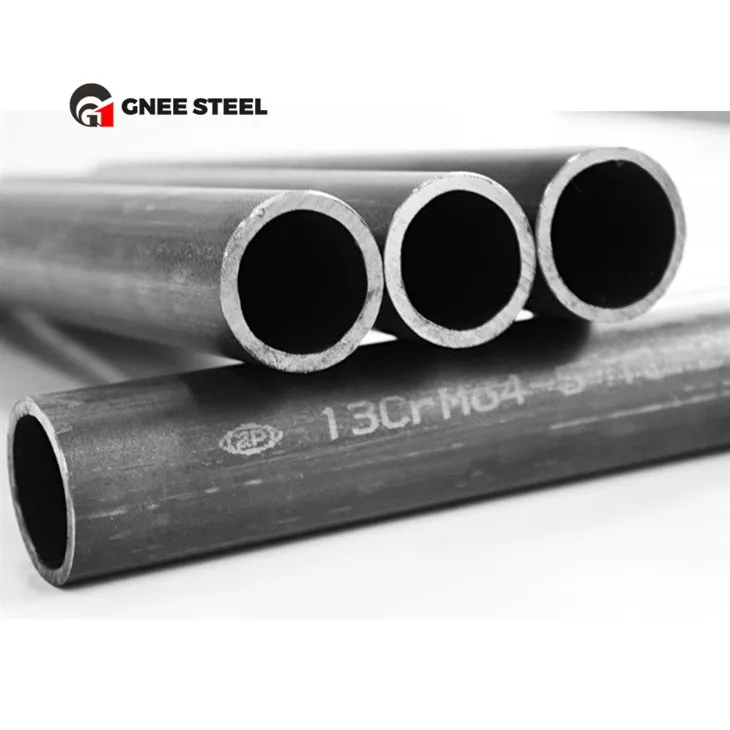

Another example is AISI 4130 Seamless Steel Pipe, which is often used in similar applications as ASTM A213 pipes. The threading requirements for AISI 4130 pipes may also be different, depending on the specific application and the standards followed.
Conclusion and Call to Action
In conclusion, the threading requirements for ASTM A213 pipes are complex and involve multiple factors such as thread form, dimensions, tolerances, surface finish, and compatibility with other materials. Ensuring that these requirements are met is essential for the proper installation and long - term performance of the pipes.
If you are in the market for ASTM A213 pipes or have any questions about the threading requirements, I encourage you to reach out to us. Our team of experts is ready to assist you in selecting the right pipes and providing guidance on the threading process to ensure a successful project.
References
- ASTM A213 Standard Specification for Seamless Ferritic and Austenitic Alloy - Steel Boiler, Superheater, and Heat - Exchanger Tubes
- ASTM B1.20.1 Standard Specification for Pipe Threads, General Purpose (Inch)
- EN 10216 - 2 Specification for seamless steel tubes for pressure purposes - Technical delivery conditions for non - alloy and alloy steel tubes with specified elevated temperature properties