


In the oil and gas industry, Casing and Tubing are collectively known as OCTG (Oil Country Tubular Goods). Although they appear similar and both follow the API 5CT standard, they play entirely different roles downhole.
What is Casing?
Casing is the "structural shell" of the wellbore. It is the first type of pipe installed after a section of the well is drilled.
Role: It acts as the armor for the well walls.
Installation: It must be permanently fixed in place by injecting cement into the space between the pipe and the rock.
Core Purpose: To prevent the wellbore from collapsing and to isolate oil and gas zones from surrounding freshwater aquifers and soil, ensuring environmental and drilling safety.
What is Tubing?
Tubing is the "production conduit" installed inside the casing. Think of it as the "straw" that brings oil or gas from the reservoir up to the surface.
Role: It is the transport carrier for produced fluids.
Installation: It is suspended inside the casing and is generally not cemented, allowing it to be pulled out or replaced as needed during the well's life.
Core Purpose: To efficiently channel oil and gas from the bottom of the well to the surface for processing.
Primary Function
Casing: Its job is protection and structure. It lines the wellbore to prevent the walls from collapsing and seals off different geological layers to prevent fluid contamination.
Tubing: Its job is production. It is the "straw" that sits inside the casing and carries the actual oil or gas from the reservoir up to the surface.
Permanence
Casing: It is permanent. Once lowered into the well, it is cemented in place and stays there forever.
Tubing: It is replaceable. If the tubing corrodes, gets clogged, or the production needs change, it can be pulled out and replaced without damaging the well.
Size (Diameter)
Casing: It is much larger because it has to fit the entire width of the drilled hole. Common sizes range from 4.5 inches to over 20 inches.
Tubing: It is smaller because it must fit inside the casing. Common sizes range from 1.25 inches to 4.5 inches.
Pressure and Stress
Casing: Must withstand external pressure from the surrounding earth and rocks (collapse resistance).
Tubing: Must withstand internal pressure from the flowing oil and gas and the corrosive effects of the fluids being produced.
Comparison Table
| Feature | Casing Pipe | Tubing Pipe |
| Purpose | Protects the wellbore (Structure) | Transports oil/gas (Production) |
| Placement | Cemented to the rock wall | Suspended inside the casing |
| Removability | Permanent (Cannot be moved) | Removable (Can be replaced) |
| Diameter | Large (The outer pipe) | Small (The inner pipe) |
| API Standard | API 5CT | API 5CT |
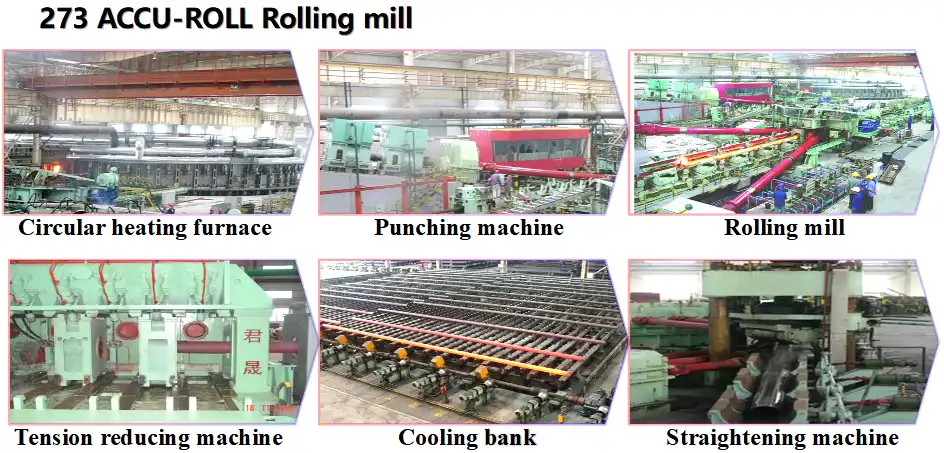
GNEE API OCTG Process Line
GNEE API Casing and Tubing pipe test equipments

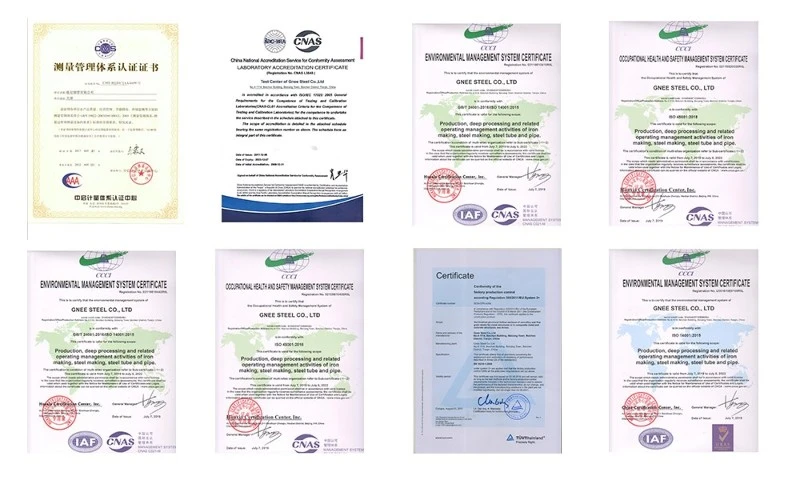
GNEE API OCTG Pipe certificate
FAQ
When should I use Premium Connections instead of standard API BTC/LTC threads?
Standard BTC/LTC threads are suitable for many conventional oil wells. However, if you are working in high-pressure gas wells, deepwater wells, or horizontal wells, we suggest Premium Connections. These feature Metal-to-Metal seals that provide superior gas-tight integrity and can handle higher torque loads.
What is the mandatory Drift Diameter for my casing to ensure the tubing can pass through smoothly?
We strictly adhere to API 5CT Drift Testing protocols. Before shipment, every pipe undergoes a full-length drift test with a standard mandrel. These results are recorded in the test reports to ensure your tubing and downhole tools have sufficient clearance for a smooth run-in.
How do you guarantee the burst resistance of the tubing under high production pressure?
Every single joint of tubing undergoes 100% Hydrostatic Testing, typically at pressures 1.25 times higher than expected operating conditions. Combined with Non-Destructive Testing (NDT), we ensure the pipe body is free of any invisible cracks or manufacturing defects.