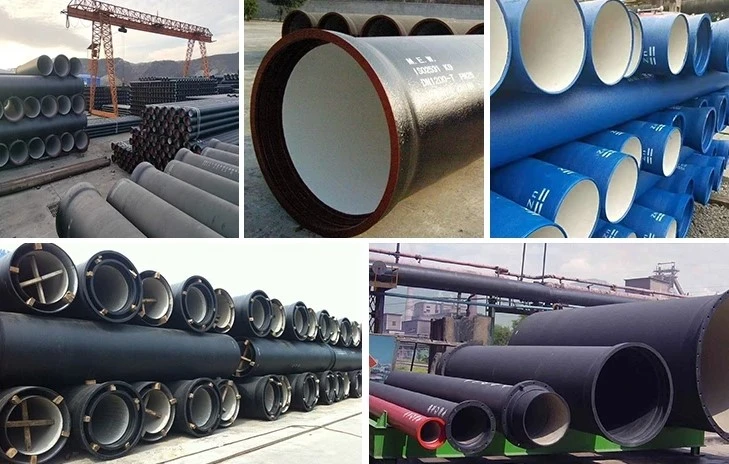
Corrosion Resistance: The primary and most significant advantage is the enhanced resistance to corrosion. Coatings such as galvanization, epoxy, or polyethylene provide a protective layer that prevents the steel from coming into direct contact with corrosive elements in the environment. This is crucial for pipes used in various industries, especially those involved in the transportation of liquids or gases.
Extended Lifespan: Anti-corrosion coatings significantly extend the lifespan of steel pipes. By preventing or minimizing corrosion, the coated pipes can withstand harsh environmental conditions and corrosive substances, leading to longer service life and reduced maintenance costs.
Cost-Effective: While the initial cost of anti-corrosion coated steel pipes may be higher than that of untreated pipes, the long-term cost-effectiveness is often superior. The extended lifespan and reduced maintenance requirements can result in overall cost savings over the life of the infrastructure.
Versatility: Anti-corrosion coatings make steel pipes suitable for a wide range of applications. Whether used in water and wastewater systems, oil and gas pipelines, structural applications, or underground installations, these coatings enhance the versatility and adaptability of steel pipes.
Environmental Considerations: Coated steel pipes, such as those with epoxy or polyethylene coatings, are often considered more environmentally friendly than other corrosion prevention methods. They eliminate the need for ongoing maintenance, reducing the environmental impact associated with maintenance activities.
Regulatory Compliance: Many industries have stringent regulations regarding corrosion protection for pipelines, especially those involved in the transport of hazardous substances. Using anti-corrosion coated steel pipes helps meet these regulatory requirements and ensures compliance with industry standards.
Reduced Downtime: Anti-corrosion coatings contribute to reduced downtime and fewer disruptions in service. This is particularly important in industries where continuous operation is critical, such as oil and gas transportation or water supply systems.
Enhanced Performance: Coated steel pipes often exhibit better performance characteristics, including improved abrasion resistance, impact resistance, and resistance to chemicals. These qualities make them suitable for challenging environments and demanding applications.
Ease of Inspection: Coated pipes allow for easier visual inspection of the condition of the pipeline. Any damage or wear on the coating can be readily identified, and maintenance or repairs can be conducted as needed.